Peitian ancient dwellings: key points and local experience
The explanation of Peitian ancient residences focuses on five things: the residential pattern of nine halls and eighteen wells, the Wu family system and village governance, the engineering wisdom of the water supply and drainage system, the Confucian semantics of the carvings, and Hakka migration and settlement defense.
Peitian is known as the "Folk Forbidden City"; there are more than 30 Ming and Qing courtyards in the village, with a walking route of about 2 kilometers.
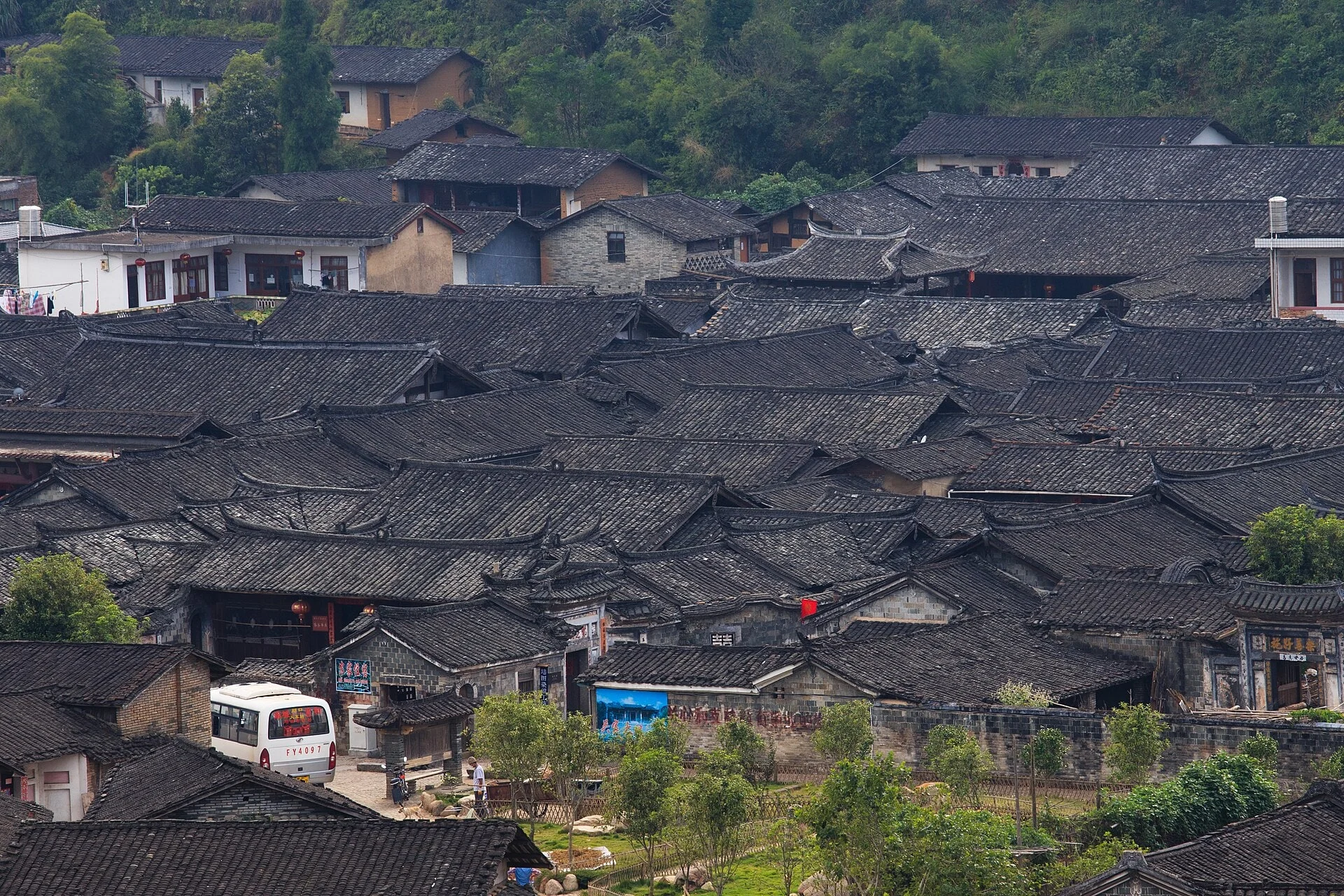
5 key points in explaining Peitian ancient dwellings
These 5 items are things that tourists usually cannot remember after walking, but can take away after listening to them:
- Nine halls and eighteen wells are living units, not decorations——The pattern of axial symmetry and alternating halls and wells corresponds to family branches and generation sequence. You can understand the family structure by understanding the plane.
- Family property and academy support management——Clan fields, clan schools and public warehouses form the basis of autonomous economy. The survival of cultivating fields for hundreds of years depends on the system and not luck.
- Advanced drainage and fire prevention projects——The layout of the patio drainage ditch and fire lane reflects the practical rationality of Hakka architecture. You can find the underground drainage opening in the morning
- Sculpture is a textbook——The drama and allusion themes on door lintels and window lattice are the visual translation of Confucian ethics, which is more specific than any explanatory sign.
- Defensiveness is hidden in the details——The configuration of village walls, lane gates and watchtowers corresponds to the Hakka migration history. You can read the need for security by looking at the village entrance.
When is the best time to talk about this place?
The light enters the courtyard after 9 a.m., but it is cloudy in the afternoon and is suitable for viewing the details of the carvings.
Tips from locals
- The lanes in the village are narrow, so the team walks together; dining at the inn area in the village at noon requires reservations in advance
- On the same side as Guanzhi Mountain, you can line up in the afternoon on the same day; do not mix with the red line
- On rainy days, the light in the courtyard is soft, which makes it better to take pictures of sculptures.
Frequently asked questions about Peitian ancient residences
- What is the difference between Peitian and Tulou?
- Tulou is a collective defensive residence, and Peitian is a courtyard-style family settlement: one is closed to the outside and open to the inside. Looking at the plan, you can understand the two social structures.
- Is half a day enough to cultivate the fields?
- 2.5-3 hours is enough for the core courtyard and village lanes; if you want to take a closer look at the carvings and the academy, you can spend half a day.
Data source
The data on this page is verified as of 2026-10. The types and calibers are as follows.
- Culture and Tourism BureauLongyan Municipal Culture and Tourism Bureau