Fuzhou fish balls, noodles with flat meat, southern Fujian snacks and Hakka flavors make the dining table a part of understanding the place.
Get to know a city through its daily snacks
Fuzhou fish balls, mixed noodles and flat meat can serve as an introduction to local tastes; noodles, soups and street snacks in Xiamen and Quanzhou show another daily life of southern Fujian food. The methods of different stores will be different, so there is no need to generalize as "the only authentic one".
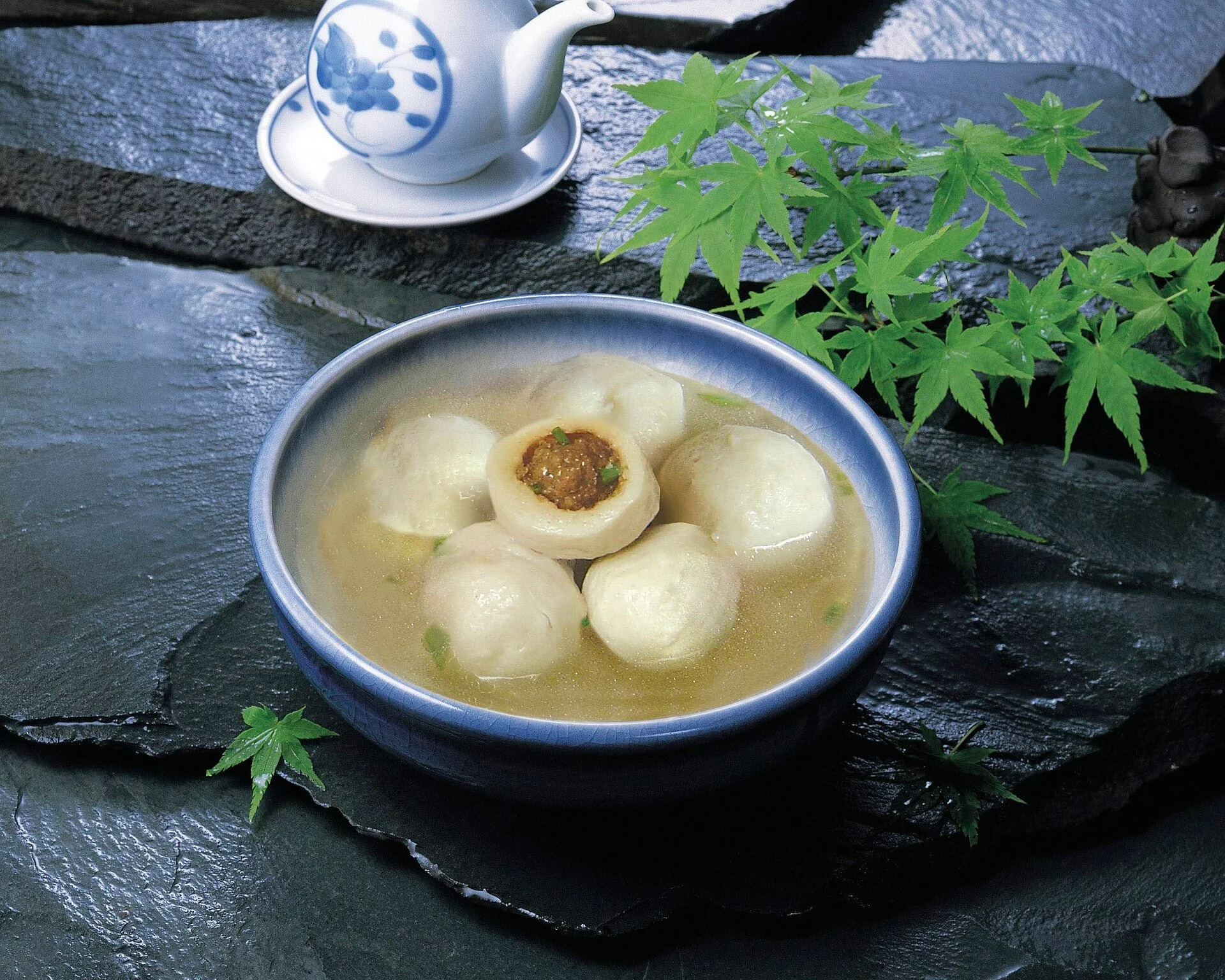
Local cuisine is also a cultural clue
You can connect the dining table with life in hometowns of overseas Chinese, ports, and mountain villages: how the ingredients came here, how soup and fermentation entered daily life, and how to distinguish home-cooked dishes from festive dishes. Catering choices are subject to clear menu and actual taste.
Dietary requirements need to be clarified in advance
Seafood, peanut, legume and other allergies should be stated in advance; vegetarian food, dietary restrictions and children's diet should be confirmed with the specific restaurant. The tour guide can assist with communication, but does not judge whether the dish is completely free of allergens based on the name of the dish.
Don’t shop with “Xunwei” packaging
Dining and buying specialty products are different needs. Don’t make specialty stores a must-stop, and don’t use so-called free tastings to create consumption pressure. When a purchase is required, the visitor must propose and confirm it independently, and it will not affect the itinerary of other guests.
Turn the stories you read into your own journey.
Arrange a suitable Fujian route based on your dates, interests and traveling companions.